Obama Presidential Center Opens in Chicago
Presidential Center, Chicago Opening, Obama Center, Cultural Landmark, Community Engagement, Presidential History
The Obama Presidential Center Opens: A New Chapter in Chicago’s Cultural Story
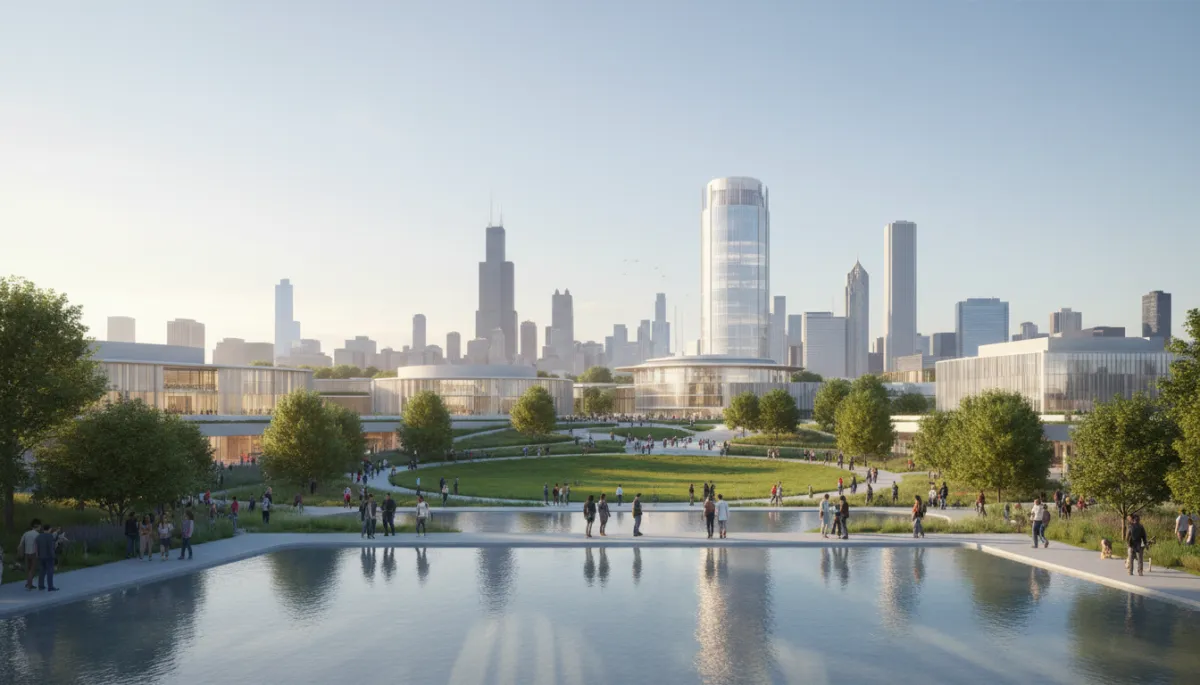
Today, the long‑anticipated Obama Presidential Center is finally opening in Chicago, transforming a historic corner of Jackson Park into a global destination for learning, reflection, and community life. More than a museum, this new Presidential Center is poised to become one of the city’s most significant cultural landmarks and a living classroom for presidential history and civic engagement.
A Chicago Opening Years in the Making
When doors officially open to the public on June 19, 2026—symbolically aligned with Juneteenth—the Chicago opening of the Obama Center caps off years of planning, debate, and construction on the city’s South Side. The festivities follow an invite‑only grand opening ceremony on June 18 at John Lewis Plaza, featuring a star‑studded lineup of performers and a global livestream, underscoring just how closely the world is watching this moment (obama.org).
From June 19 through June 21, the 19.3‑acre campus becomes the stage for an open‑house‑style festival: live music on John Lewis Plaza, art‑making and storytime at the library, athletic programming on the courts, food vendors, garden tours, and talks with scholars and community leaders. It is a Chicago opening designed not as a quiet ribbon cutting, but as a civic celebration that invites neighbors and visitors to claim the space as their own (obama.org).
Inside the Obama Center: More Than a Museum
The Obama Presidential Center is anchored by a 225‑foot‑tall, granite‑clad Museum Tower that now rises above Jackson Park. Inside, museum galleries trace the arc of Barack Obama’s life—from his early organizing days on the South Side to the White House and beyond—placing his story within the broader sweep of American presidential history. Interactive exhibits invite visitors to grapple with questions of democracy, race, organizing, and global leadership rather than simply admire artifacts behind glass (Chicago Tribune).
Yet the museum is only one part of a broader campus. A Chicago Public Library branch anchors the educational mission, offering books, digital resources, and programming for local students and families. The Forum building provides flexible space for talks, trainings, and community meetings, while the “Home Court”—an NBA‑regulation basketball court—reflects President Obama’s long‑standing love of the game and its power to bring people together. Cafés, a restaurant, and a Sky Room with sweeping views of Lake Michigan and the skyline round out a campus that blurs the line between cultural landmark and neighborhood hangout (Axios).
A New Cultural Landmark on the South Side
Chicago is no stranger to iconic architecture and world‑class museums, but the Obama Center stands out for where it is and whom it is meant to serve. Rising from the historic landscape of Jackson Park, near neighborhoods like Woodlawn and Hyde Park, the Presidential Center brings a major cultural landmark to parts of the city that have historically seen less investment in large‑scale cultural infrastructure. It joins institutions like the Museum of Science and Industry to reaffirm the South Side as a cultural destination in its own right, not just an adjunct to downtown.
Architecturally, the Museum Tower has already sparked debate. Its monolithic, granite surface and minimal windows have been praised as quietly monumental and criticized as fortress‑like. Love it or question it, the design demands a response—much like the presidency it commemorates. Public art by artists including Mark Bradford, Carrie Mae Weems, Tyanna J. Buie, Jay Heikes, and the Sam Kirk–Dorian Sylvain collaboration weaves contemporary visual narratives into the campus, reinforcing its identity as a living, evolving cultural space (obama.org).
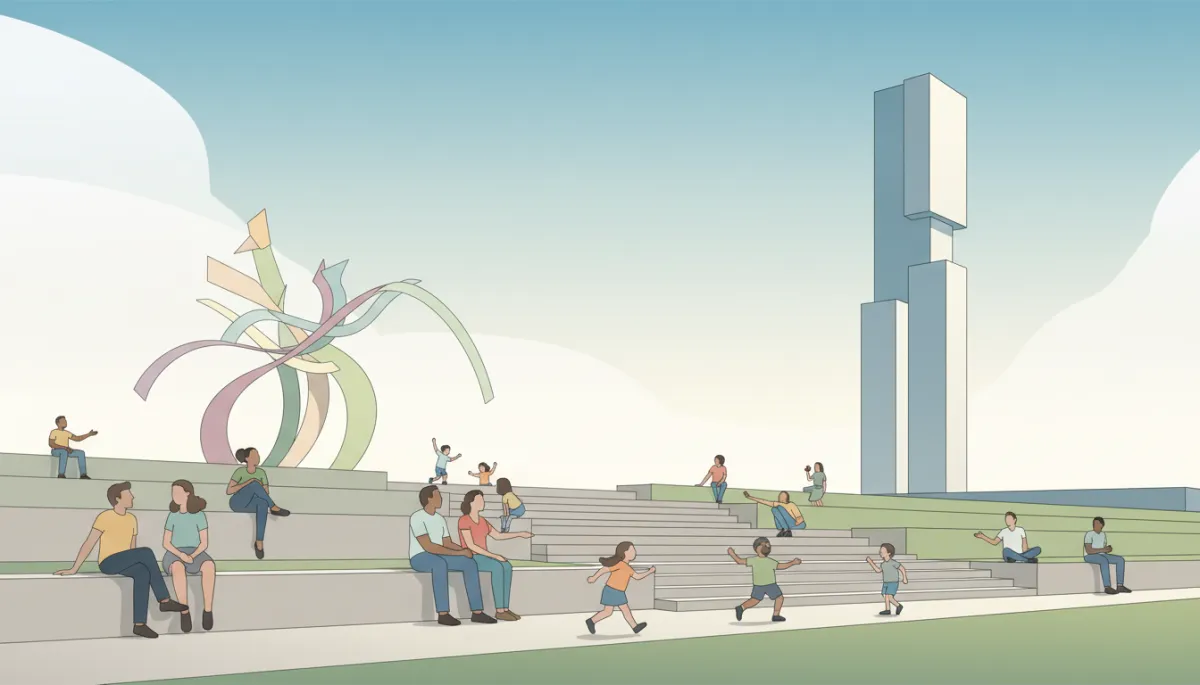
Open plazas and green space position the Obama Center as both museum and everyday gathering place.
Community Engagement at the Heart of the Vision
From the earliest proposals, the Obama Foundation framed this Presidential Center as a hub for community engagement rather than a traditional archive‑driven presidential library. That philosophy is visible in the Chicago opening weekend itself: free outdoor programming, interactive art, youth sports clinics, and family‑friendly workshops that invite residents to experience the campus before they ever step into a gallery. Many campus amenities—from the playground and walking paths to the library branch and lawn—are free and open to all starting June 19 (obama.org).
Over time, the Obama Center is expected to host leadership institutes, youth summits, and training programs for organizers and public servants from around the world. For local residents, that translates into opportunities to participate in workshops on entrepreneurship, civic leadership, storytelling, and more. For visitors interested in presidential history, it offers a rare chance to see how the lessons of a presidency are being actively translated into training for the next generation of changemakers, rather than preserved solely in documents and displays.
💡 Pro Tip: If you’re planning a visit, look beyond the museum ticket—scan the calendar for free community events, neighborhood tours, and public talks that bring the Center’s mission of engagement to life.
Presidential History, Reimagined for a New Generation
For enthusiasts of presidential history, the Obama Presidential Center offers both continuity and change. Like earlier presidential libraries, it will preserve records, artifacts, and key moments from Barack Obama’s two terms in office—landmark legislation, diplomatic breakthroughs, and the crises that defined an era. But unlike traditional libraries, the archival materials themselves are housed primarily in digital form through the National Archives, freeing the physical campus to prioritize storytelling, education, and civic practice.
Exhibits promise to situate the Obama years within a longer narrative: the history of the presidency, the long struggle for civil rights, the rise of grassroots organizing, and the ways ordinary citizens have shaped national policy. Visitors can trace connections from Abraham Lincoln’s unfinished work to the Voting Rights Act, to Obama’s own election and the movements that followed. In doing so, the Center invites guests not only to look back at presidential history, but to ask how their own choices might influence the chapters yet to be written.
Economic Promise and Tough Questions for the Neighborhood
The Obama Center’s Chicago opening also carries major economic implications. A University of Chicago study estimates the Presidential Center could generate roughly $220 million in annual economic activity for surrounding neighborhoods and the city as a whole (Axios). Construction costs have swelled from initial estimates of around $350 million to approximately $850 million, funded by private donations—a scale that signals both ambition and long‑term commitment to the site.
Yet alongside optimism, some residents voice concerns about gentrification and displacement in nearby communities such as Woodlawn. Rising property values and new development can bring amenities and jobs, but they can also put pressure on long‑time renters and small businesses. Community coalitions have pushed for housing protections, local hiring commitments, and transparent planning processes to ensure the benefits of this new cultural landmark are shared broadly, not just captured by outside investors or visitors passing through.
📌 Key Takeaway: The Obama Center embodies both hope and hard questions—about who cultural investments are for, and how cities can grow without leaving their own residents behind.
Planning Your Visit to the Obama Presidential Center
For those eager to experience the new Presidential Center firsthand, a bit of planning goes a long way. Museum admission uses timed‑entry tickets, with early slots for the Chicago opening weekend already in high demand. Illinois residents can take advantage of free Tuesdays beginning June 23, making it easier for local families and students to explore the galleries (obama.org).
Even without a museum ticket, there is plenty to see. The playground, library branch, gardens, walking paths, public art installations, and expansive lawn are open to everyone starting June 19. On a single visit, you might take in panoramic views from the Sky Room, watch a pickup game on the basketball court, browse a community book display, and then step into an evening forum on voting rights or climate policy. In that sense, the Obama Center invites you not just to observe presidential history, but to participate in the civic life it celebrates.
A Living Legacy for Chicago and Beyond
With today’s Chicago opening, the Obama Presidential Center officially joins the city’s constellation of cultural landmarks—from Millennium Park and the Art Institute to neighborhood festivals and historic churches. But its significance extends far beyond the skyline. As a Presidential Center rooted in community engagement, it challenges traditional ideas about what it means to memorialize a presidency. Instead of a quiet repository, the Obama Center aims to be a bustling crossroads where history, activism, scholarship, and everyday neighborhood life intersect.
For visitors drawn by presidential history, the Obama Center offers a rare chance to stand at the intersection of past and future—to walk through exhibits that chronicle a presidency while standing in a park alive with youth programs, public art, and civic conversations. For Chicagoans, especially those on the South Side, it is a powerful statement that their stories, too, belong at the heart of the national narrative. As the first crowds stream through Jackson Park, one thing is clear: this is not just an opening day for a museum. It is the beginning of a new chapter in how a city, and a country, remembers its leaders and empowers its people.
