May Day 2026: Rallies & Haymarket 140th Anniversary
May Day Events, Labor History, Civic Engagement
May Day 2026: Citywide Rallies and the 140th Haymarket Anniversary
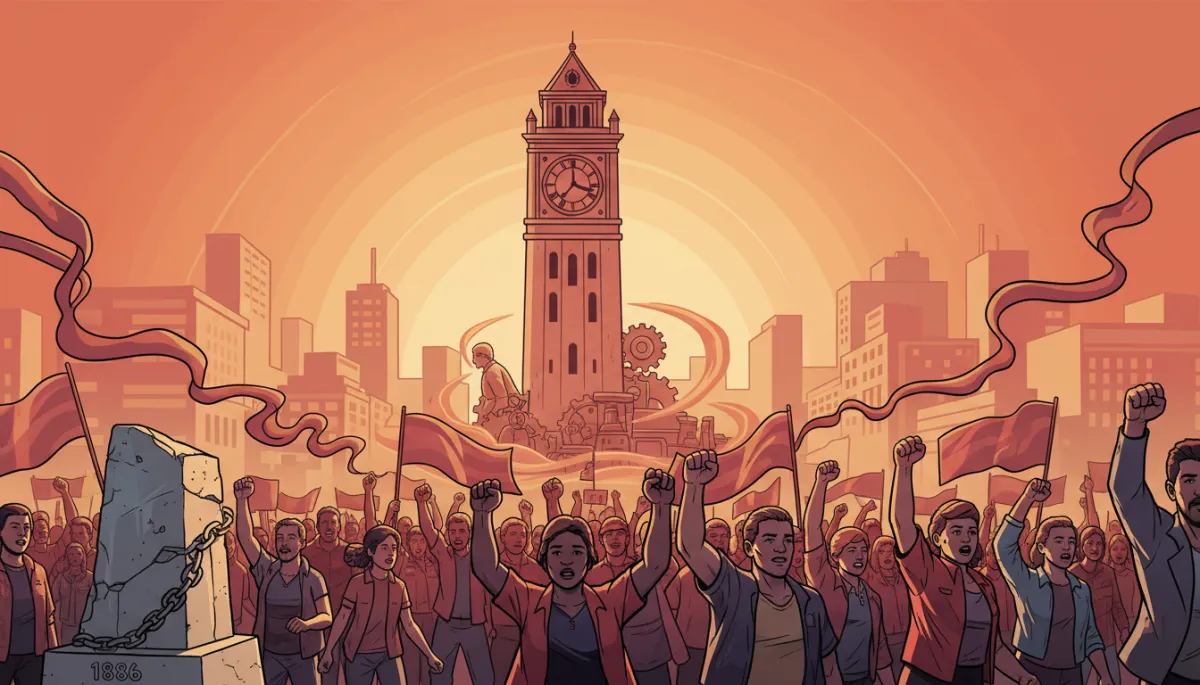
On May 1, 2026, May Day Events across the United States and around the world marked International Workers’ Day with renewed urgency. This year carried special weight: the 140th anniversary of the Haymarket Affair in Chicago, a turning point in labor history that helped define the modern struggle for workers’ rights and the eight-hour workday. For anyone interested in civic engagement and citywide rallies, May Day 2026 offered a living classroom in how history, protest, and community power intersect.
Citywide Rallies as a Civic Day of Action
In Chicago, May Day 2026 was officially framed as a Civic Day of Action, with the theme of “putting Chicago over billionaires” (Axios). Rather than a single march, organizers planned citywide rallies that stretched across neighborhoods, campuses, and downtown corridors. Teachers, unions, student groups, immigrant rights organizations, and housing advocates coordinated actions that highlighted everything from school funding and rent relief to union organizing and climate justice.
Across the country, the May Day Strong coalition helped organize roughly 3,500 events, including marches, workplace walkouts, and economic “blackouts” aimed at showing what happens when workers collectively withhold their labor and spending (Wikipedia). In New York City, activists rallied outside the New York Stock Exchange. In Los Angeles, thousands marched from MacArthur Park to City Hall to protest immigration sweeps, the cost of living, and corporate greed (Los Angeles Times).
These citywide rallies were not just spectacles; they were invitations to civic engagement. Organizers set up voter registration tables, mutual aid stations, and information booths about union drives and tenant unions. For many first-time participants, May Day Events offered a concrete pathway from concern about inequality to direct involvement in campaigns for workers’ rights.
Remembering Haymarket: 140 Years of Labor History
The 2026 Haymarket Anniversary anchored these actions in a powerful historical narrative. On May 1, 1886, Chicago workers launched a massive strike for the eight-hour workday. Days later, at Haymarket Square, a peaceful rally ended in tragedy when a bomb exploded and police opened fire. The ensuing trial and execution of labor organizers—later widely condemned as unjust—turned the Haymarket Martyrs into global symbols of resistance and sacrifice for workers’ rights.
One hundred forty years later, activists and community members returned to these sites of memory. Social media documented small but meaningful gatherings at the Haymarket Martyrs’ gravesite, where banners read, “May Day, today, everyday: Honor our martyrs, fight for the living!” Groups like the Black Rose/Rosa Negra Anarchist Federation emphasized that the best way to honor Haymarket is to continue organizing against exploitation and repression in the present day.
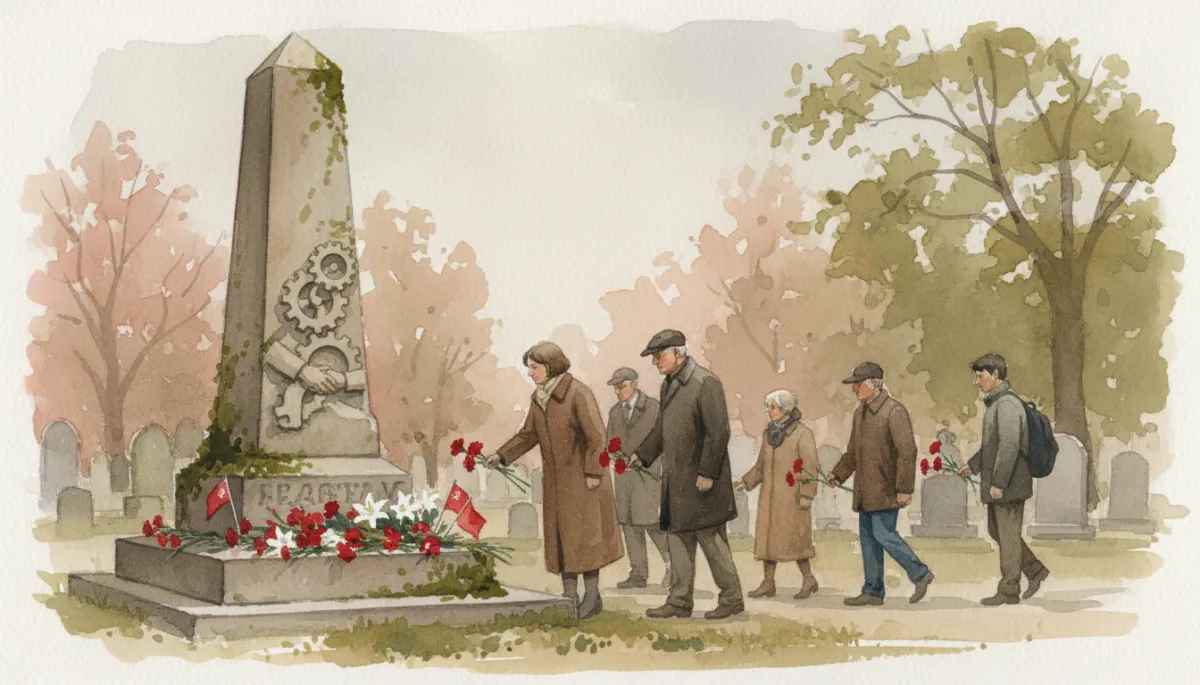
Commemorations connect Haymarket’s martyrs to today’s ongoing fights for fair work.
Beyond the gravesite, Chicago’s Haymarket House hosted events like “Power of Place: A People’s Salon,” inviting residents to reflect on how spaces like Haymarket Square shape public memory and political imagination (Illinois Humanities). These conversations underscored that labor history is not a closed chapter; it is a living resource for understanding contemporary struggles over time, wages, and dignity on the job.
From History to Action: Linking Past and Present Struggles
May Day 2026 made those connections explicit. Speakers at rallies from Boston to Boulder invoked the Haymarket Anniversary while talking about today’s issues: gig workers demanding basic protections, immigrant workers organizing against wage theft, and public sector unions fighting privatization and austerity. In many cities, banners carried slogans like “Workers Over Billionaires” and “Healthcare Not Warfare,” echoing the 19th-century demand for an eight-hour day with 21st-century calls for climate justice, racial equity, and demilitarization (The Guardian).
The global picture reinforced this theme. In Paris, demonstrators marched for wage increases and peace, while in Istanbul, Turkish police cracked down on crowds trying to reach Taksim Square, detaining hundreds (AP News). These international May Day Events highlighted how struggles for workers’ rights are shaped by local politics yet linked through a shared history that traces back, in part, to Chicago’s Haymarket.
💡 Pro Tip: When you attend citywide rallies, look for historical walking tours, teach-ins, or zine tables. They often offer concise, accessible primers on labor history that deepen your understanding of why May Day—and Haymarket—still matter.
How to Get Involved in Future May Day Events
If May Day 2026 passed you by, the spirit of the day is easy to carry forward. Start locally: follow your city’s labor council, teachers’ union, or immigrant rights coalition on social media to learn about upcoming citywide rallies and organizing meetings. Many groups that helped coordinate this year’s May Day Events—such as SEIU locals, community organizations, and student coalitions—host year-round campaigns where volunteers are needed for canvassing, translation, childcare, and logistics.
You can also engage with labor history more intentionally. Visit local monuments, archives, or museums that document strikes, union drives, and community campaigns in your region. Read or watch materials about the Haymarket Affair and other pivotal moments, then bring that knowledge into conversations at work, school, or your neighborhood association. Civic engagement around workers’ rights is not limited to marching; it includes how we talk with coworkers about forming a union, how we show up for a friend facing retaliation on the job, and how we vote on policies that affect wages, safety, and public services.
Keeping Haymarket’s Legacy Alive
The 140th Haymarket Anniversary was more than a date on the calendar; it was a reminder that the rights many workers take for granted were won through risk, solidarity, and often deadly repression. As rising living costs, precarious jobs, and political backlash threaten those gains, May Day 2026 showed that citywide rallies and grassroots organizing remain vital tools for defending and expanding workers’ rights.
Whether you join a march, support a strike fund, or help educate others about labor history, you are part of the ongoing story that began in places like Haymarket Square. On every May 1—and on the days in between—the invitation is the same: honor the martyrs, fight for the living, and keep building the world they imagined when they demanded not just an eight-hour day, but a life with dignity for all workers.
